
Popular now




Animation from Brazil and Portugal
AnimeFire
240 films and series in Portuguese: Brazilian features and family favourites, Monica and Friends, folk legends of the Amazon, Portugal's prize-winning short films and new series. Search a title and press Watch now.
Latest additions
 Papaya
Film2026
 As Far as Birds Fly
Film2026
 Epiphany
Short2026
 See Ya There
Short2026
 For What it Was
Film2025
 Vô
VôShort2025
 The Thing I Was Afraid Of
Short2025
 Pietra
Short2025
 My Grandfather Is a Nihonjin
Film2025
 Because Today is Saturday
Short2025
 Turma da Mônica Jovem: Incertezas
Short2025
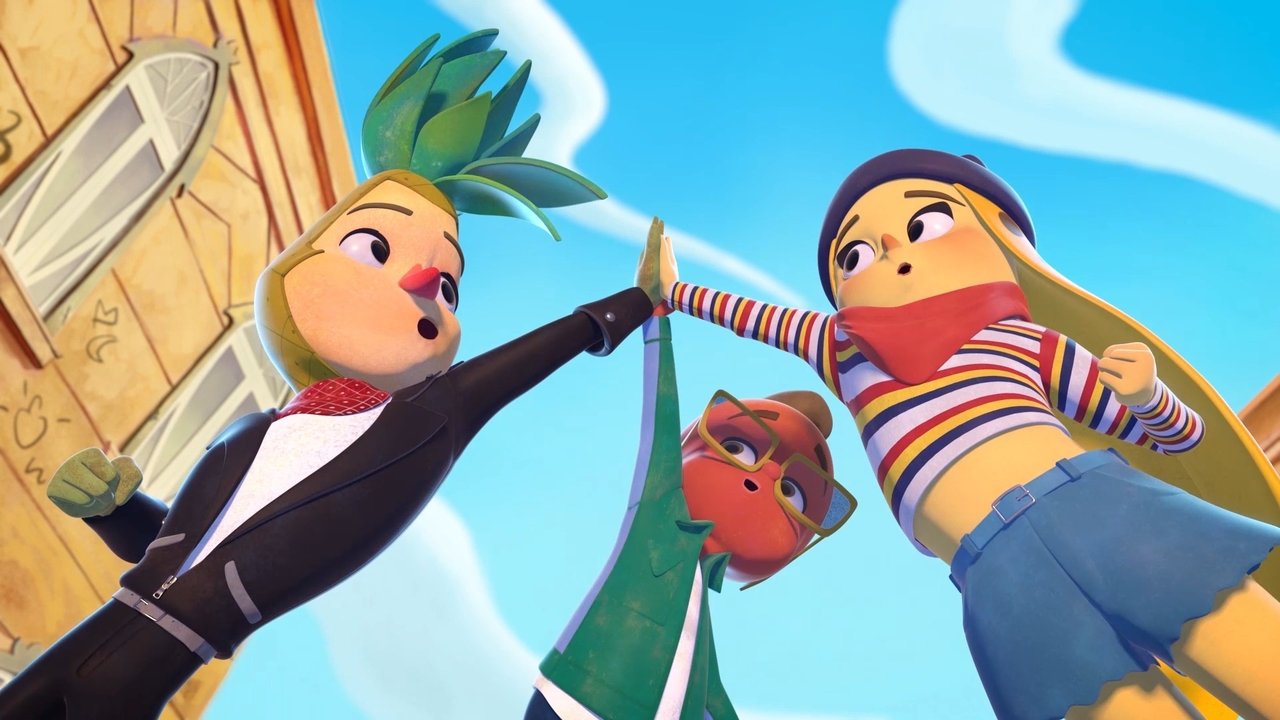 Abah and His Band
Film2025
Highlights of the week

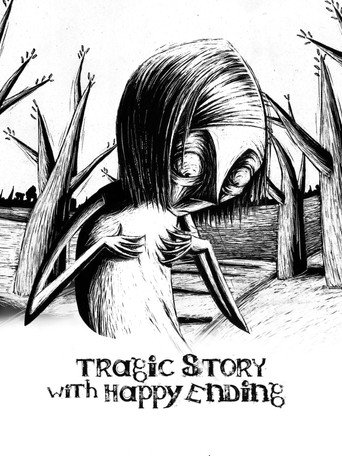
Brazil
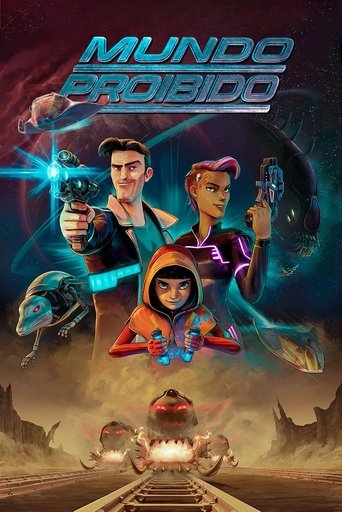
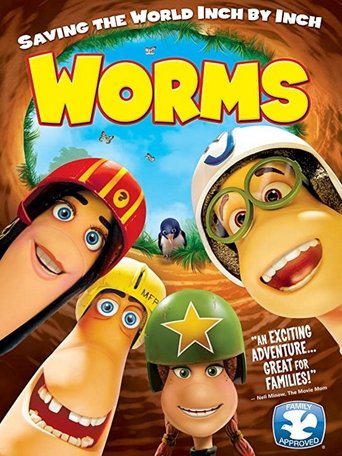

Monica and Friends
 Mônica Toy
 As Aventuras da Turma da Mônica
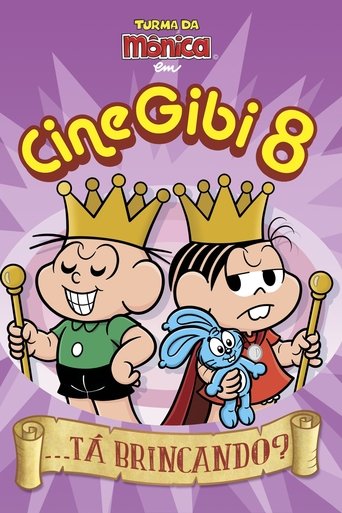 Turma da Mônica em Cine Gibi 8: ...Tá Brincando
 Turma da Mônica em Cine Gibi 5: Luz, Câmera, Ação!
 Turma da Mônica em Cine Gibi 3: Planos Infalíveis
 Turma da Mônica em Cine Gibi 2
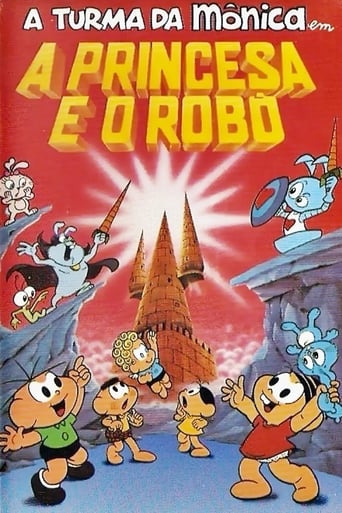 The Princess and the Robot
 Turma da Mônica em Cine Gibi: O Filme
 Turma da Mônica em Cine Gibi 9: Vamos Fazer de Conta
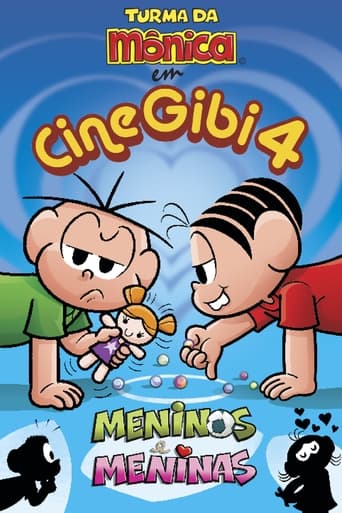 Turma da Mônica em Cine Gibi 4: Meninos e Meninas
 Turma da Mônica Jovem: Incertezas
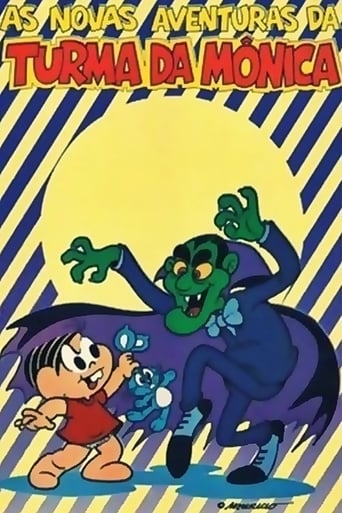 As Novas Aventuras da Turma da Mônica
 Turma da Mônica em Cine Gibi 7: Bagunça Animal
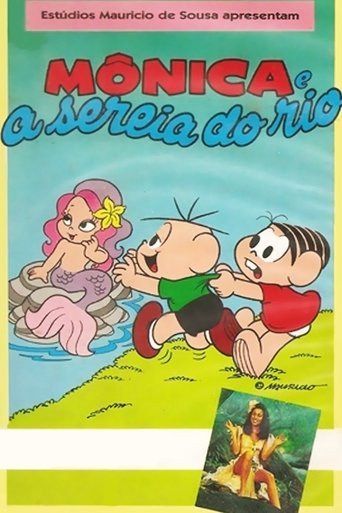 Mônica e a Sereia do Rio
Portugal



Series
Guides
- How to watch with AnimeFireFrom a poster to the official service.
- Animation from BrazilFrom Amazon Symphony to Perlimps.
- Monica and FriendsMauricio de Sousa's gang on the screen.
- Animation from PortugalShort films that win prizes everywhere.
- Legends and talesRiver dolphins, owls and the creation of the world.
- Languages and dubsBrazilian and European Portuguese, and English.
- The official AnimeFire siteHow to recognise the real address.
- Is AnimeFire working?A quick check and easy fixes.
- Where AnimeFire titles streamThe official services behind Watch now.
- Apps and devicesPhones, tablets, computers and TVs.
- Free animation from Brazil and PortugalLegal ways to watch at zero cost.
- Streaming safelyA short checklist.
- Finding a titleSearch tips.
- My ListKeeping titles for later.
- The art of the short filmPrize-winning shorts from Brazil and Portugal.
AnimeFire: animation from Brazil and Portugal, from Amazon Symphony and Monica and Friends to Perlimps, Tito and the Birds and the prize-winning shorts of Porto and Lisbon
Brazil and Portugal share a language and a love of storytelling, and both have built remarkable traditions of animation. In Brazil, a single artist spent five years drawing the country's first animated feature, Mauricio de Sousa turned his comic strips into one of the best-loved families in Latin American cartoons, and a new generation of studios now makes features that travel to festivals all over the world. In Portugal, a small group of artists in Porto and Lisbon turned the short film into a national art, winning prizes from Cannes to the Oscars. AnimeFire is a guide to this animation, written in English for viewers everywhere, with the Portuguese titles always at hand.
Here you will find 240 films and series. There are Brazilian classics such as Amazon Symphony, Piconzé and Boi Aruá; more than twenty Monica and Friends films and specials; family features such as The Happy Cricket, Tito and the Birds, Journey with Tarsilinha and Perlimps; legends of the Amazon such as Iara and The Pink Dolphin; Portugal's celebrated shorts by Abi Feijó, Regina Pessoa, José Miguel Ribeiro and the Oscar-nominated João Gonzalez; and series such as Any Malu Show, Haunted Tales for Wicked Kids and Mônica Toy.
Every title has its own page with the story, the year, the running time, the studio and the director, and every series lists its episodes with their air dates. A Watch now button opens each title on JustWatch for the country you choose. This guide first explains how AnimeFire is laid out and then travels through the history of Brazilian and Portuguese animation, introducing the studios, the artists and the films that reward your time.
Why Brazilian and Portuguese animation
Animation in Portuguese is full of colour, music and humour. Brazilian films draw on the rhythms of samba and forró, the legends of the forest and the river, the comedy of the big city and the warmth of family life. Portuguese films are often quieter and more poetic, drawn with charcoal, engraved on plaster or built from clay, and they treat memory, the sea and the passing of time with great tenderness.
Many of these films have won the world's top prizes. Brazilian features have taken the Cristal for best feature at Annecy, Portuguese shorts have been nominated for the Oscar and won at Cannes, and the festivals of Rio de Janeiro, São Paulo, Lisbon and Espinho have become meeting places for animators from every continent. Yet many of these films remain little known outside their home countries. AnimeFire brings them together so that every viewer can discover them.
The catalogue suits every age. Toddlers can sing along with Lottie Dottie Chicken, children can laugh with Monica, Jimmy Five and Smudge, families can share Perlimps or Journey with Tarsilinha, and grown-up viewers can explore the art-house shorts of Porto and the experimental films of São Paulo.
How AnimeFire looks
AnimeFire keeps the look of the original AnimeFire site: a near-black page, a cyan flame logo, plain white links and a search line that is simply underlined, with a magnifying glass at its end. Section titles are written in capitals and centred between two thin lines, so each shelf feels like a chapter in a book.
Posters stand tall and close together. Each carries two small badges in the top right corner: an orange badge with the type of title, Film, Short or TV, and a dark badge with its rating. The name sits on a dark band along the bottom of the poster. The Latest additions appear as wide pictures with the title on a dark band, the number of episodes or the type below, and the year in cyan on the right. The Highlights of the week row marks its seven picks with large, slanted cyan numbers.
Using the site
The home page opens with the Popular now row, a strip of posters that scrolls sideways. Below it you will find a short introduction, the Latest additions grid, the Highlights of the week, and shelves for Brazil, Monica and Friends, Portugal and series. Each shelf ends with a link to the whole collection. Further down, the Guides section opens fifteen help pages, and this long guide closes the page.
The search line at the top accepts English and Portuguese titles and parts of either. Type Mônica, Perlimps or Tarsilinha and the matching posters appear at once. For a series, add a season and an episode, such as Any Malu Show S2E3, to jump straight to that episode. The Catalogue link opens the whole collection with sorting by popularity, rating, year or the most recent air date, and the Browse page lists every title from A to Z.
When a title catches your eye, press Add to My List on its page. My List keeps it in your browser, remembers the episodes you have watched and can be exported to another device. When you are ready, choose your country and press Watch now to see the official services that carry the title.
The Brazilian pioneers
Brazilian animation began with the patience of one man. Anélio Latini Filho spent five years, working almost entirely alone, to draw Amazon Symphony, the first animated feature made in Brazil. Finished in 1951 and released in 1954, it strings together folk stories of the Amazon over classical music, in the spirit of Disney's Fantasia, with river dolphins, jaguars, birds and forest spirits. It remains a moving testament to the dream of a national animation.
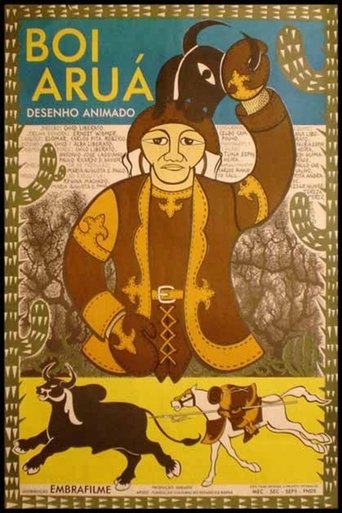
In the decades that followed, Brazilian artists experimented with short films. Roberto Miller's Playful Atom, from 1961, sends a cheerful atom into space, and José Rubens Siqueira's Hamlet, from 1975, follows a circus-born man with a talking heart. In 1972 the Japanese-born artist Ypê Nakashima completed Piconzé, a colourful feature about a boy, a parrot called Papo and a pig called Chicão who defend their peaceful village, and in 1985 the Bahian artist Chico Liberato made Boi Aruá, based on Luís Jardim's tale of a magical ox of the backlands, with designs inspired by the woodcuts of the Northeast.
The 1980s were a decade of bold experiments. Marcos Magalhães's Meow!, from 1981, a witty tale of a stray cat persuaded to swap its milk for a fizzy soft drink, was shown at the Cannes Film Festival and became a landmark of Brazilian animation. Flávio Del Carlo made the graphic shorts Veneta and Tzubra Tzuma, Cao Hamburger made the punk fairy tale Frankenstein Punk and the cinema homage The Girl on the Screen, and Otto Guerra's Treiler imagined the trailer for an impossible feature film. The comic stars of television, Os Trapalhões, even travelled through history in an animated feature of 1986 produced with the studio of Mauricio de Sousa, which you will find on the Before 2000 shelf.
In 1996 Clóvis Vieira's Cassiopeia told the story of the planet Athena, attacked by invaders who drain its energy, and of the heroes who answer its call for help. It was one of the earliest feature films made entirely by computer anywhere in the world, completed in São Paulo with a small team and great ingenuity. The same years brought Eight Point Star, a film made with the drawings of Fernando Diniz, an artist of Rio de Janeiro's Museum of Images of the Unconscious, and animated with Marcos Magalhães.
Monica and Friends
Brazil's best-loved cartoon family is Monica and Friends, the Turma da Mônica created by Mauricio de Sousa. Monica, a strong little girl with a blue toy bunny she swings at anyone who teases her, lives in the Limoeiro neighbourhood with her friends Jimmy Five, who speaks with a lisp and dreams up foolproof plans to beat her, Smudge, who is afraid of water, and Maggy, who loves to eat. Their comics have sold in many countries and languages since the 1960s, and their films have entertained Brazilian families for decades.
The first animated appearance of the gang was O Natal da Turma da Mônica, a Christmas short from 1976 that introduced the song Feliz Natal pra Todos. The first feature, As Aventuras da Turma da Mônica, from 1982, gathers four tales, from Jimmy Five's latest infallible plan to a trip into fantasy. The Princess and the Robot, from 1984, is a space fairy tale in which a little robot falls in love with a princess of the planet Carrotland. As Novas Aventuras da Turma da Mônica, Turma da Mônica em O Bicho-Papão e Outras Histórias and Mônica e a Sereia do Rio followed in 1986 and 1987, together with the Christmas specials A Estrelinha Mágica and Turma da Mônica: O Natal de Todos Nós.
Chico Bento, the country boy of the same studio, has his own film in Chico Bento, Óia a Onça!, in which he tells his friends Zé Lelé and Rosinha some tall tales of his adventures. Videogibi: A Ilha Misteriosa brought a classic comic book to video in 1999, and from 2004 the Cine Gibi films gathered new short stories with a clever idea: the inventor Franklin builds machines that turn comic books into films. You will find Turma da Mônica em Cine Gibi: O Filme and its sequels on the shelf, from Turma da Mônica em Cine Gibi 2 to Turma da Mônica em Cine Gibi 9: Vamos Fazer de Conta.
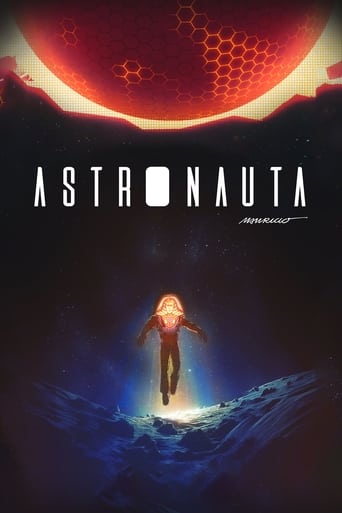
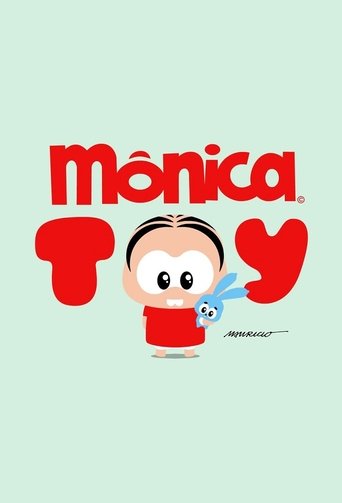
The gang has grown up too. Cine Cartoon - Especial Turma da Mônica Jovem and Turma da Mônica Jovem: Incertezas follow Monica and her friends as teenagers, and Mônica Toy retells their adventures in tiny, surreal sketches drawn in a toy-art style, with more than three hundred episodes. The studio's astronaut character returns in Astronauta, a 2024 science-fiction series for older viewers about a Brazilian astronaut who investigates the disappearance of his colleagues on a mission to the Moon. The Monica and Friends guide and the Monica and Friends shelf gather all twenty-two titles.
Brazilian features since 2000
The new century brought a boom in Brazilian feature animation. Walbercy Ribas's The Happy Cricket, from 2001, follows a musical cricket and his friends as they rescue Linda, the Night Star, from the evil Wartlord, and its sequel The Happy Cricket and the Giant Bugs opens a music school for children. Xuxinha and Guto Against the Space Monsters gave the television star Xuxa her first animated film, and Mariana Caltabiano's Brasil Animado sends a businessman and a film director across the country in search of its oldest tree, mixing animation with real Brazilian landscapes.
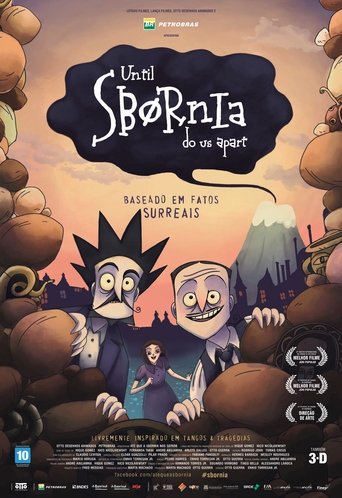
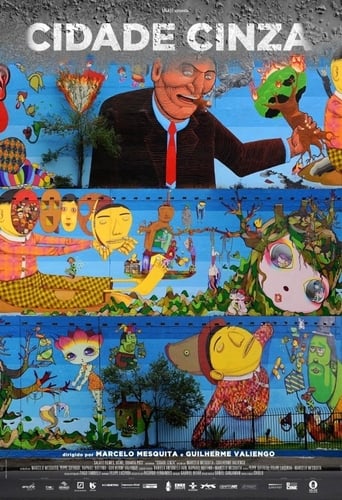
In 2013, Otto Guerra and Ennio Torresan Jr. made Until Sbornia Do Us Part, a musical comedy about two traditional musicians from Sbornia, an eccentric island cut off from the world by a high wall, whose lives are turned upside down when the wall comes down. The same year brought Worms, about a young worm who is accidentally carried up to the surface, and the documentary Grey City, which follows the São Paulo graffiti artists OsGemeos as the city paints over their murals. The Adventures of the Red Plane, from 2014, adapts a children's story by the writer Érico Veríssimo about a boy whose toy plane carries him on journeys of the imagination.
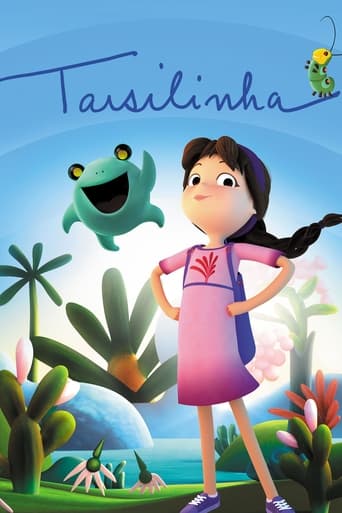
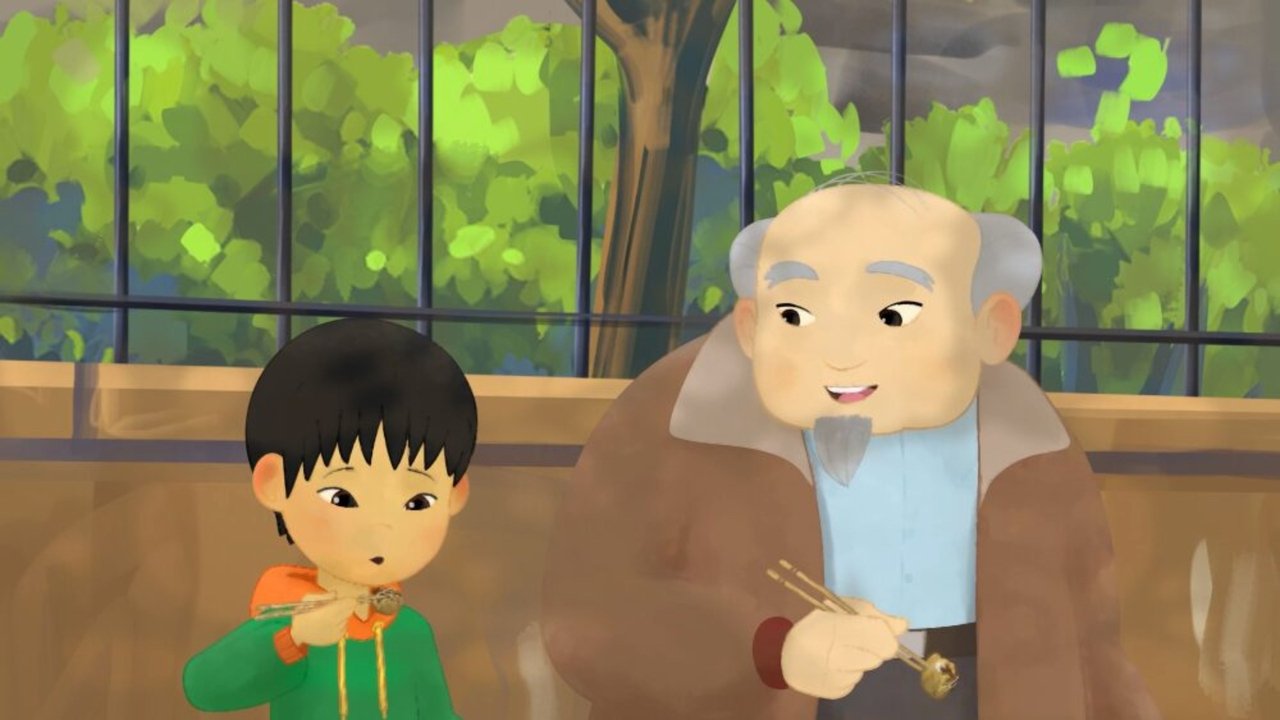
Gustavo Steinberg's Tito and the Birds, from 2019, is one of the most admired Brazilian features of recent years. In a city where an epidemic of fear makes people ill, a shy ten-year-old boy discovers that the cure is linked to his missing father's research into the songs of birds. Its painterly images, made by mixing oil painting with digital animation, won prizes at festivals around the world. Celia Catunda and Kiko Mistrorigo, the creators of the television series Fishtronaut, made Fishtronaut: The Movie and Journey with Tarsilinha, in which a girl travels through landscapes inspired by the paintings of Tarsila do Amaral to recover her mother's lost memories. Catunda's My Grandfather Is a Nihonjin, from 2025, follows a boy who discovers the story of his Japanese grandfather, one of the many immigrants who made Brazil their home.
Alê Abreu, whose The Boy and the World won the top prize at Annecy and an Oscar nomination, made Perlimps in 2023. Two secret agents from rival kingdoms of the Sun and the Moon must join forces to find the mysterious Perlimps in a forest threatened by giants; its bright colours and hand-drawn textures make it a feast for the eyes. Recent years have also brought Clarice's Dream, about a creative girl who learns to live with the loss of her mother, Trunk Train: The Movie, about a forgetful elephant who becomes famous, My Big Big Friend: The Movie, from the series about children and their imaginary elephant, giraffe and lion friends, and Chef Jack: The Adventurous Cook, a culinary adventure across the Culinary Islands.
Adventures, legends and comedy
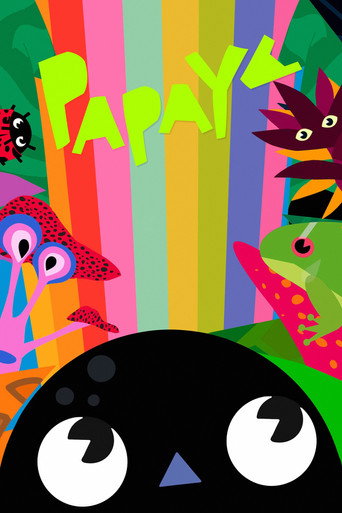
Brazilian studios love adventure and fantasy. The Red Scroll carries a thirteen-year-old girl into the fantastic world of Telurian, GadgetGang in Outer Space sends a band of kids to help a crew of tiny aliens, and As Aventuras do Pequeno Colombo imagines the young Christopher Columbus sailing with Leonardo da Vinci and Mona Lisa. Forbidden World follows two space adventurers across the galaxy, Abah and His Band takes an orphan prince through a kingdom of fruits, and Papaya, from 2026, follows a tiny papaya seed in the Amazon forest that dreams of flying.
Além da Lenda - O Filme gathers the legends of Brazilian folklore, led by the mischievous one-legged Saci, against monsters from abroad. Osmar, The First Slice of the Loaf follows the first slice of a loaf of bread on a quest for fame, Tiny and the Umbrella follows a girl and her demanding carnivorous plant, The Under-Undergrounds, the Beginning finds a band of misfit musicians beneath the city, and Zuzubaland: The Movie fights a witch who wants to stop the bees from pollinating a kingdom made of food. The Brazil guide offers a shorter route through these films.
Films for little ones
Some of Brazil's most watched animation was made for the youngest viewers. Lottie Dottie Chicken, the Galinha Pintadinha, began as a series of animated music videos of traditional children's songs and became one of the most watched channels in the Portuguese-speaking world; Lottie Dottie Chicken, Lottie Dottie Chicken 2 and Lottie Dottie Chicken 3 collect its songs. The Christian children's series about Smilinguido, a friendly ant, appears in Smilinguido em Histórias de Formiga, Smilinguido em A Invasão and other films.
The home-video studio Video Brinquedo produced a long line of short features for young families, including Little Bee, Tiny Robots, What's Up: Balloon to the Rescue! and fairy-tale versions such as Pinocchio, Rapunzel, Alice in Wonderland, The Frog Prince, Cinderella and The Hare and the Turtle. They are simple, cheerful and short enough for a bedtime treat. Hello Kitty and Friends: Let's Play! and Hello Kitty and Friends: Our House bring preschool lessons in play, and Tugger: The Jeep® 4x4 Who Wanted to Fly follows a little jeep who dreams of flying.
Legends of the forest and the river
Brazil's folklore is a treasure house of stories, and its animators return to it again and again. Sérgio Glenes's Iara follows a boy who hears a beautiful song in the forest and meets Iara, the Mother of the Waters, and Humberto Avelar's The Pink Dolphin retells the Amazon legend of the river dolphin who takes the form of a young man at night. Thiago Martins de Melo's Ominous Owl, made from more than a thousand drawings, draws on the northern tale of the barn owl Suindara.
Indigenous stories have found new voices too. Ancient Stories retells six myths of the Kuikuro, Javaé and Kadiwéu peoples, from the creation of the Milky Way to the Fish-Boy and the Vulture-King, and Òrun Àiyé: A Criação do Mundo tells the Yoruba story of the creation of the world, with the musician Carlinhos Brown as the voice of Oxalá. Acayaca Diamonds revisits a mining legend that links the Inca Empire to Minas Gerais, and Way of Giants follows Oquirá, a six-year-old girl in a forest of giant trees, on a quest to understand life.
The Northeast has its own heroes. Calango Lengo: Morte e Vida sem Ver Água follows a hungry lizard of the dry backlands in a comic tale of survival, and The Death and Life of a Severino: In Cartoon animates João Cabral de Melo Neto's great poem about a migrant's journey to the coast, in drawings inspired by the comics artist Miguel Falcão. ADMIRIMIRITI brings to life the miriti toys of Belém, carved from palm wood for the great Círio de Nazaré procession, and Poetic of Clay animates the ceramic figures of the women potters of the Jequitinhonha Valley. The Legends and tales guide gathers these stories.
Brazilian short films
Brazil's short films are bold, funny and full of feeling. Rosana Urbes's Guida, from 2014, follows a shy archivist who has worked in a courthouse for thirty years until a newspaper advertisement for life-drawing classes changes her routine; its delicate pencil animation won prizes at festivals around the world. Nara Normande's Guaxuma remembers a childhood friendship on a beach in the Northeast using sand animation, and her earlier Dia Estrelado follows a family in a harsh landscape. Guilherme Marcondes's Tyger, inspired by William Blake's poem, sends a giant tiger through a city at night, and his Into Pieces follows a man and a wooden puzzle.
Ricardo Laganaro's The Line, a miniature love story between two dolls in a model city, was made for virtual reality and won the top prize for immersive work at the Venice Film Festival. Gustavo Ribeiro's Napo follows a boy who explores his grandfather's photo album to understand his illness, Égun celebrates a fisherman's life from father to son, Together shows two neighbours who turn small moments into treasures, and Paloma, a student film, follows a São Paulo pigeon who swallows a microchip and becomes very clever.
The studio of Alê Camargo and Camila Carrossine in Brasília has made a string of witty shorts: Calango!, about a hungry lizard and a clever cricket, A Ilha, Rua das Tulipas, about an inventor who makes his whole street happy, and Os Anjos do Meio da Praça. Marão's claymation I Wish I Were a Monster, Pororoca, about the love of a whale and a manatee, Maréu, about a child searching for the sound of the waves, Juzé, about a deaf child who hears a whale, and Aquarela, a watercolour set to Toquinho's famous song, show the range of the new generation. The Shorts guide picks the festival favourites.
Portugal: the pioneers
Portuguese animation has a small but proud history. In 1976, Artur Correia made The Stone Soup, a cheerful version of the famous Ribatejo tale of a clever friar who persuades a stingy couple to help him make a rich soup from a single stone. In 1984, Mário Neves turned the fado song O Médico e a Duquesa into The Medic and the Duchess, animating real people frame by frame in the technique called pixilation. The festival Cinanima, founded in 1977 in the seaside town of Espinho, gave Portuguese animators a home and an audience.
Abi Feijó and Filmógrafo
In the late 1980s, the animator Abi Feijó founded the Filmógrafo studio in Porto, and it became the cradle of modern Portuguese animation. Feijó's The Outlaws, from 1993, remembers the Spanish republicans who found refuge in the mountains of northern Portugal in the 1940s, when some saw them as brigands and others gave them shelter. His Fado Lusitano, from 1995, is a witty portrait of Portugal itself, a small country with a wandering heart and an adventurous spirit, set to the rhythm of fado, and his Stowaway, made with the National Film Board of Canada, follows a stowaway who reaches a harbour on Christmas Eve.
Filmógrafo also produced the first films of Regina Pessoa, one of the most admired animators in the world. Her The Night, from 1999, was engraved on plaster, a technique she developed to create deep black images lit by thin white lines, and her Tragic Story with Happy Ending, from 2005, follows a girl whose heart beats so fast and so loudly that it disturbs her neighbours, until they learn to love her for who she is; it won more than sixty international prizes. Uncle Thomas: Accounting for the Days, from 2019, is a moving tribute to the uncle who inspired her to draw and to become a filmmaker. Pedro Serrazina's Tale About the Cat and the Moon and his later The Eyes of the Lighthouse, about a lighthouse keeper and his daughter on a rocky island, are made in the same poetic spirit.
José Miguel Ribeiro
José Miguel Ribeiro is the great storyteller of Portuguese animation. His The Suspect, from 2000, sets four passengers, a ticket collector and a penknife from Barcelos in a train compartment and asks which of them might be dangerous; made with puppets and full of suspense and humour, it won the Cartoon d'Or, Europe's top prize for animated shorts. His Sunday Drive follows a family on its weekly drive as tempers rise, A Journey to Cape Verde retells his own sixty-day walk across the islands of Cape Verde in a travel diary of drawings, and Eggs, Wind's Embrace and 20 Desenhos e um Abraço are playful miniatures.
The new Portuguese wave
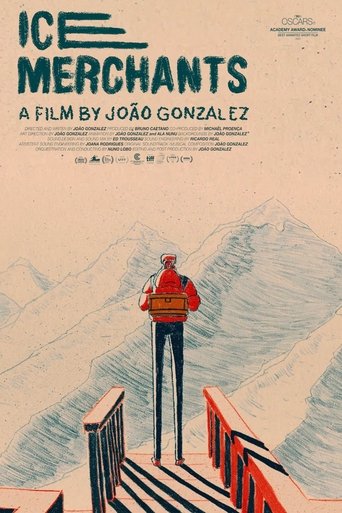
Since 2010, a new wave of Portuguese animators has carried the country's short films to the biggest festivals. João Gonzalez's Ice Merchants, from 2022, follows a father and son who live in a house on the side of a cliff and parachute down every day to sell their ice in the village below. It won the Leitz Cine Discovery Prize at the Cannes Critics' Week and was nominated for the Oscar, the first Portuguese film to reach that list; his earlier student film The Voyager follows a pianist afraid to leave his home.
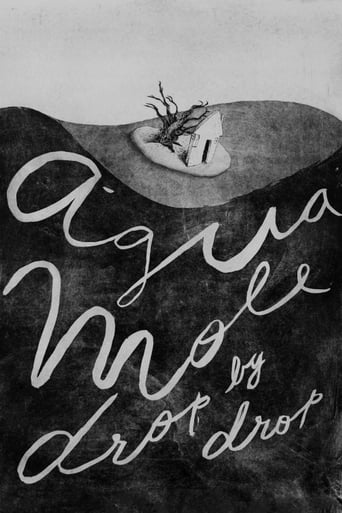
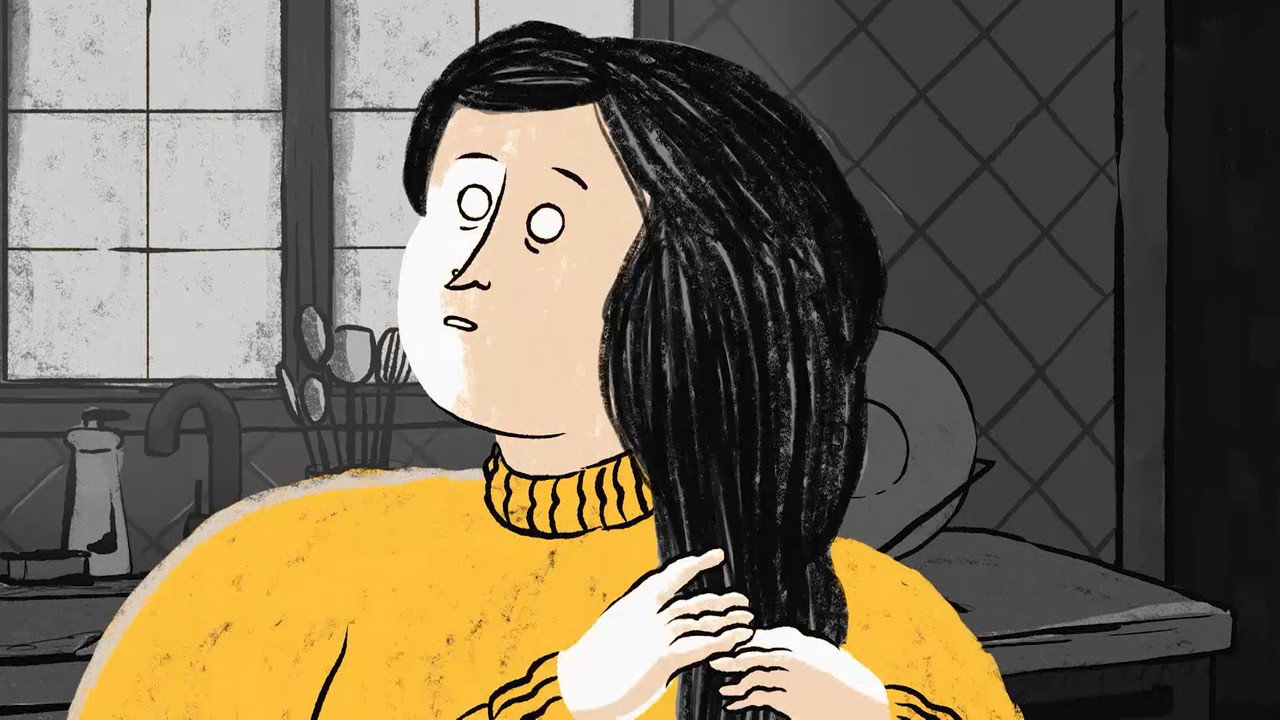
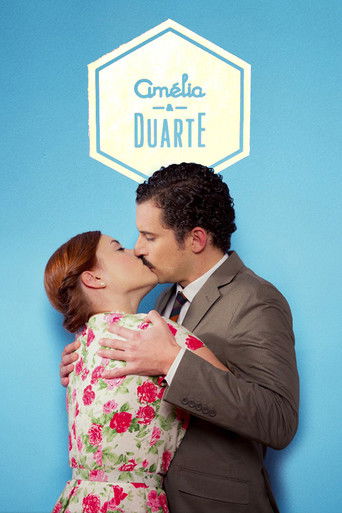
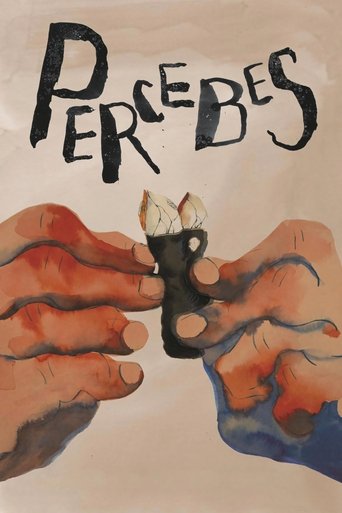
Laura Gonçalves and Alexandra Ramires work together and apart. Their Drop by Drop visits the last villagers of a hamlet slowly emptying of people, and Percebes follows the goose barnacle from the rocks of the Algarve to the restaurant table. Gonçalves's The Garbage Man gathers a family around the table to remember an uncle who worked in France for thirty years, and Ramires's Tie imagines two people whose clothes hide what they think are their flaws. Alice Guimarães and Mónica Santos made Amélia & Duarte and Between the Shadows, a surreal journey through a world where hearts are money, and Guimarães's Because Today is Saturday follows a mother who longs for a single free morning.
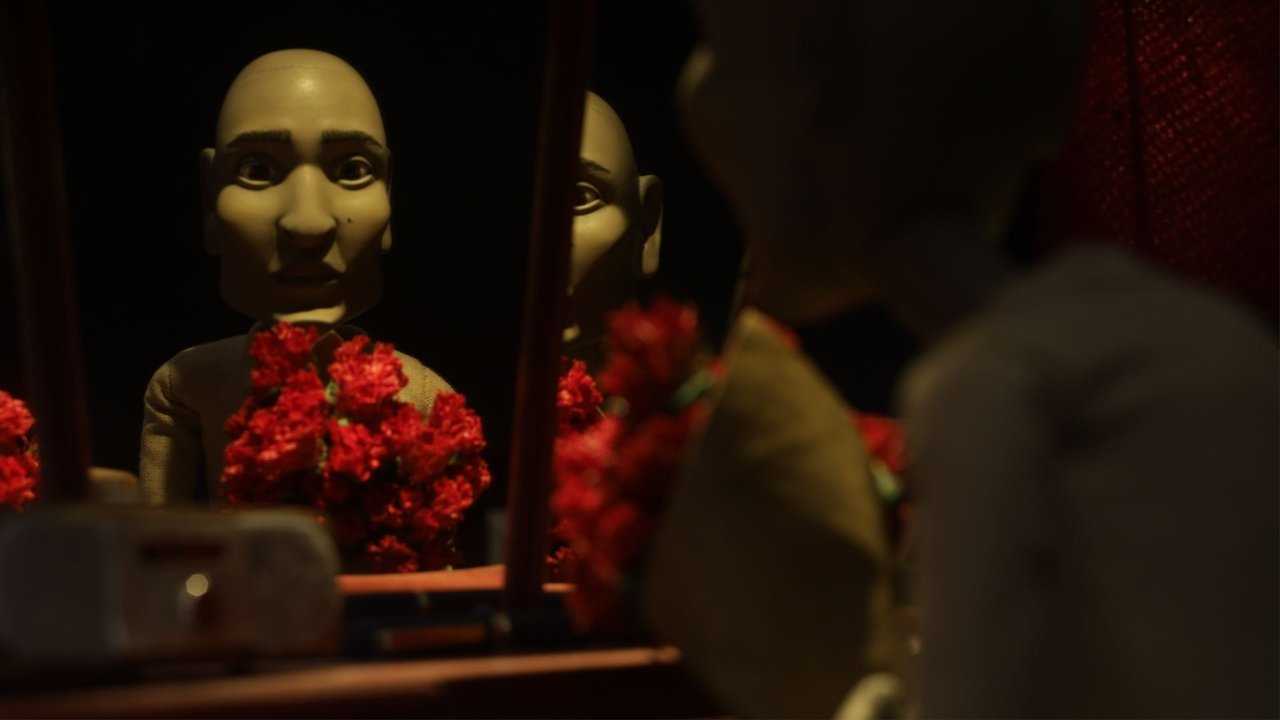
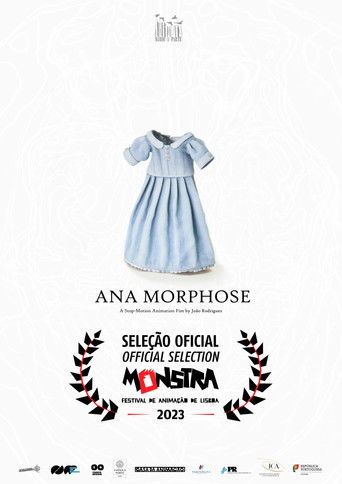
David Doutel and Vasco Sá made The Shoemaker and Augur, Filipe Abranches made Birds and À Tona, Joana Imaginário made Tocadora, about a girl who turns into a drawing, and Bruno Caetano made The Peculiar Crime of Oddball Mister Jay, set in a city where nature is forbidden, and Sequential. Studios such as Sardinha em Lata, Animanostra, BAP and the COLA Animation collective keep the new films coming: Something I Said, Alma’s Condition, Ana Morphose, The Flight of the Manta Rays, With Each Passing Day... and Pietra are all recent highlights. The Portugal guide and the Portugal shelf gather all fifty-nine titles.
The series
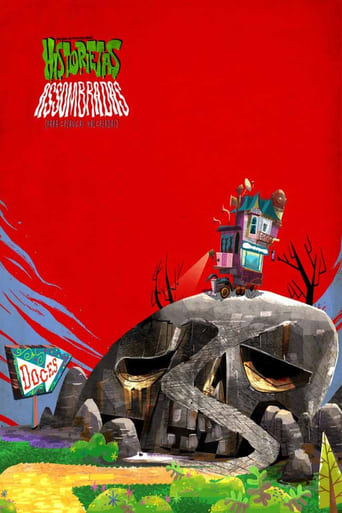
Brazilian studios have become some of the busiest makers of television animation in the world, and the Series shelf shows why. Any Malu Show began as an internet sensation: Any Malu, a funky girl with a big heart and an even bigger mouth, became so popular online that she moved to television, and The Real World of Any Malu: First Day sends her to a school for cartoon characters. Victor-Hugo Borges's Haunted Tales for Wicked Kids follows Pepe, a mischievous boy who delivers magic potions for his witch grandmother, in a comedy of spooky but friendly adventures.
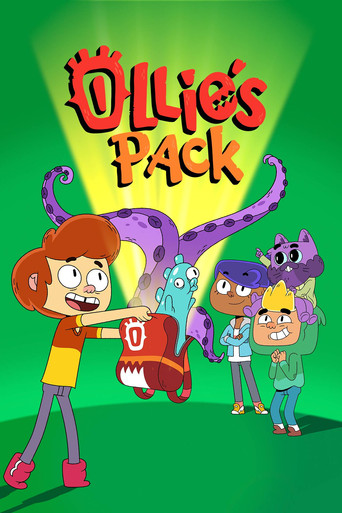
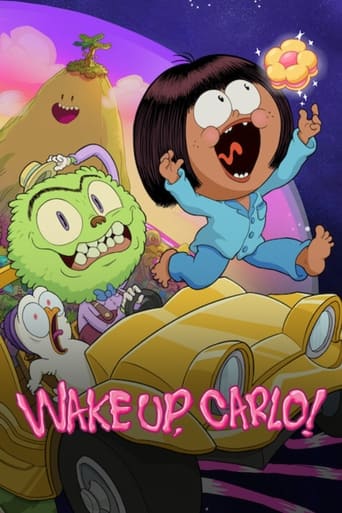
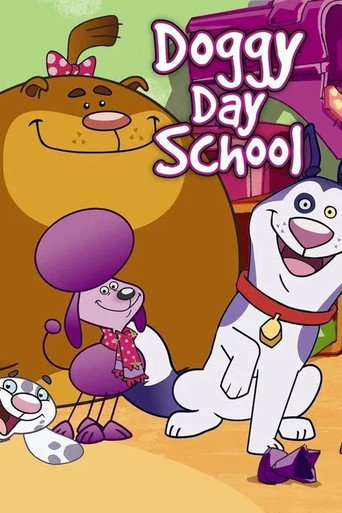
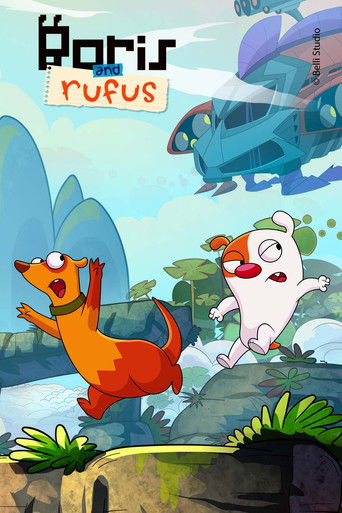
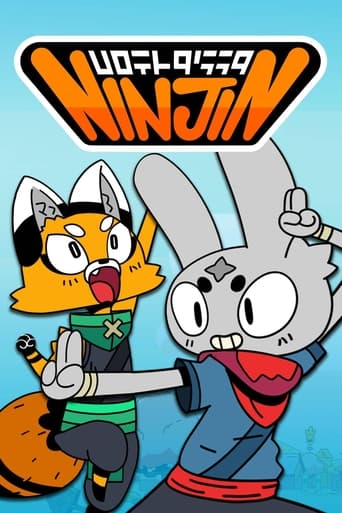
Copa Studio, the Rio de Janeiro studio behind the hit Jorel's Brother, made the specials Jorel's Brother - Bruttal Carnival Special and Jorel's Brother Christmas Special: Santa's Brother, as well as Wake Up, Carlo!, about a cookie-loving boy who falls into a magical sleep. Boris and Rufus follows a grumpy dog and a ferret who pretends to be a dog, Doggy Day School gathers a lovable crew of puppies at a day-care centre, Corta Essa, Ninjin follows a ninja bunny in search of his village's stolen carrots, and Ollie's Pack, made with the Canadian studio Nelvana, gives a thirteen-year-old boy a backpack that opens a portal to the world of monsters.
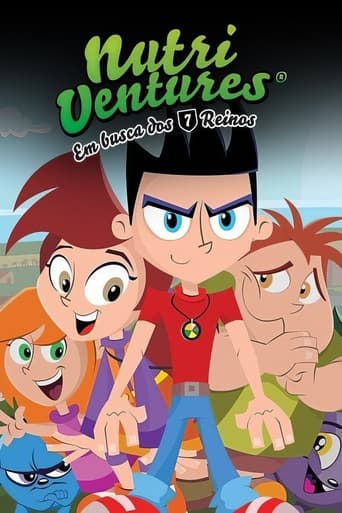
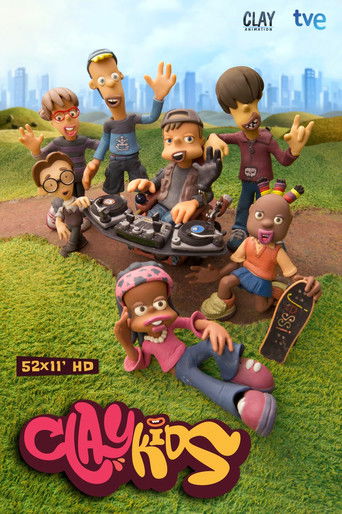
From Portugal comes Nutri Ventures - The Quest for the 7 Kingdoms, an action series in which four friends visit the kingdoms of the food groups to bring healthy food back to their city. The Spanish claymation series Clay Kids, dubbed in Portuguese, follows seven misfit children through the ups and downs of growing up. Together with Mônica Toy and Astronauta, these shows fill many evenings, and every series page lists its seasons and episodes with their air dates.
Art films and experiments
Brazilian and Portuguese artists love to experiment. Grey City turns São Paulo's graffiti into a documentary, Fragmentos de Sal uses sand to illustrate the poetry of Al Berto, The Silence Below lets a swimmer trace blue and black ink across the screen, and A Super 8 Scraping was made by scratching images directly onto Super 8 film. Eight Point Star brings the visions of the painter Fernando Diniz to life, and Tatuapé Mahal Tower follows a tiny model figure who moves to São Paulo during its building boom.
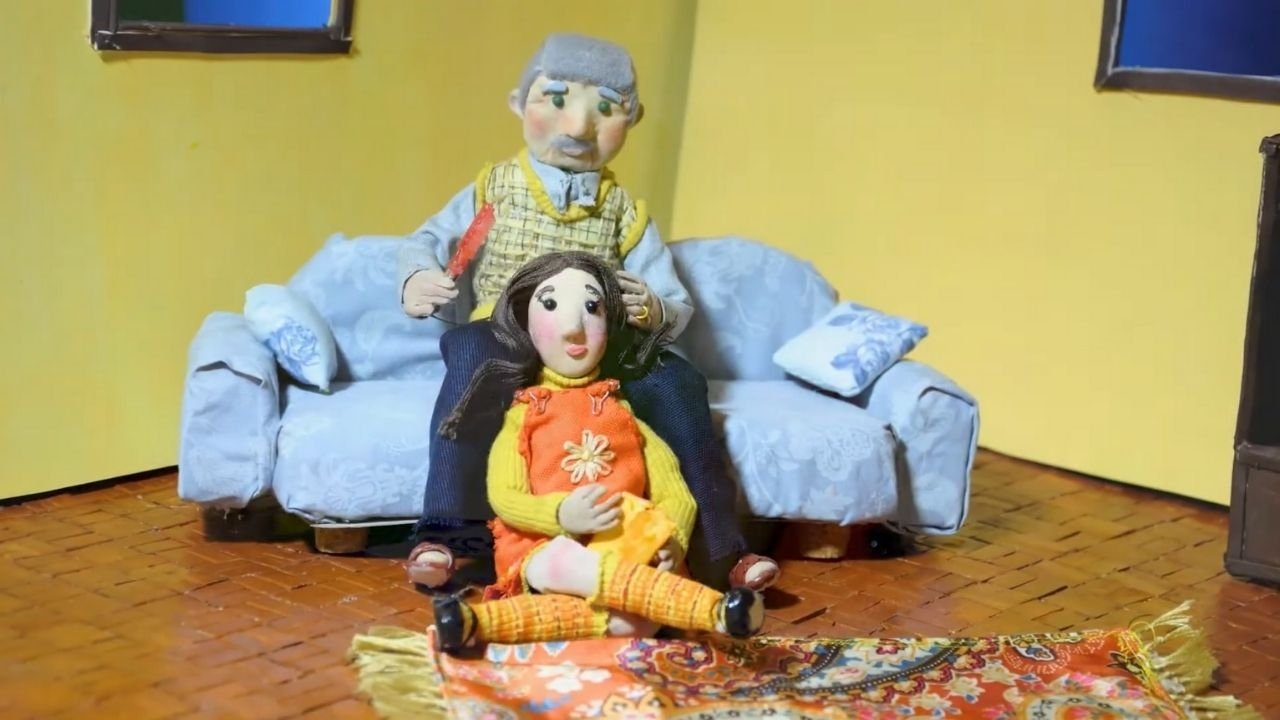
Many art films use animation to tell personal stories. My Father's Project shares the memories of the illustrator Rosária Moreira, Três Semanas em Dezembro turns Laura Gonçalves's sketchbook into a family portrait, Vô follows a girl, her grandfather and a little bird, and What Words Can Do tells the story of three Portuguese writers who published a brave book in 1972. These films reward patient viewers and are often short enough to watch two or three in a row.
Viewing routes
With more than two hundred titles, AnimeFire is easiest to enjoy with a plan. Here are a few routes, each built around a mood or an audience.
A Brazilian family weekend. Start on Friday evening with Perlimps, whose bright forest suits children from about six. On Saturday morning, share a Monica and Friends film such as As Aventuras da Turma da Mônica, then watch Journey with Tarsilinha in the afternoon. On Saturday night, laugh with Until Sbornia Do Us Part, and on Sunday finish with Tito and the Birds and The Happy Cricket.
A night of Portuguese shorts. For lovers of the short film, build a programme from Porto and Lisbon: The Stone Soup, Fado Lusitano, The Night, Tragic Story with Happy Ending, The Suspect, Drop by Drop, Ice Merchants and The Garbage Man. In about two hours you will travel through fifty years of Portuguese animation, from cut-outs to engraved plaster and puppets.
Legends of Brazil. For a journey into folklore, watch Amazon Symphony, Iara, The Pink Dolphin, Ancient Stories, Òrun Àiyé: A Criação do Mundo, Ominous Owl and Além da Lenda - O Filme, and finish with Boi Aruá.
Classic Monica. Revisit the gang's golden age with O Natal da Turma da Mônica, The Princess and the Robot, Mônica e a Sereia do Rio, Chico Bento, Óia a Onça! and A Estrelinha Mágica, then jump forward to Turma da Mônica Jovem: Incertezas to see the friends as teenagers.
Space and fantasy. Board Cassiopeia, Forbidden World, GadgetGang in Outer Space, The Red Scroll and Playful Atom, and add the series Astronauta for older viewers. The Fantasy and science fiction shelf holds forty titles.
For young children
Parents of young children will find plenty to share. The gentlest titles are Lottie Dottie Chicken, Smilinguido em Histórias de Formiga, Doggy Day School, Hello Kitty and Friends: Our House, Little Bee, Blank Out, Epiphany and A Library Tale, the story of a little bookworm who lives in an old coat. They are short and cheerful, and many use songs and pictures to tell their stories.
For children from about six, try the features Perlimps, Fishtronaut: The Movie, Journey with Tarsilinha, My Big Big Friend: The Movie, Trunk Train: The Movie, Caroline and the Magic Potion, Zuzubaland: The Movie and the Monica and Friends films. Every title page shows the running time, so you can plan a short evening or a long one, and the For families shelf gathers sixty-eight family titles.
The AnimeFire guides
Fifteen short guides help you make the most of AnimeFire. How to watch walks from a poster to the official service, Finding a title shares search tips for English and Portuguese names, and My List explains how to keep titles for later and follow your episodes.
The guides to the catalogue open shorter routes: the Brazil guide runs from Amazon Symphony to Perlimps, the Monica and Friends guide follows Mauricio de Sousa's gang, the Portugal guide introduces the masters of the short film, the Legends and tales guide gathers the folklore films, and The art of the short film picks festival favourites from both countries.
The practical guides cover everything else. Languages and dubs explains Brazilian and European Portuguese, Apps and devices covers phones, tablets and televisions, and Where AnimeFire titles stream describes the services behind Watch now. Free animation from Brazil and Portugal points to festivals and schools, Streaming safely offers a short checklist, The official AnimeFire site shows how to recognise the real address, and Is AnimeFire working? gives quick fixes when a page is slow.
One language, two voices
Portuguese is spoken on four continents, and AnimeFire's films speak it in two main voices. Brazilian Portuguese, open and musical, carries the Monica and Friends films, the features and the series from Rio de Janeiro and São Paulo. European Portuguese, quicker and softer, carries the films from Porto and Lisbon. Viewers used to one voice soon learn to enjoy the other, and many Portuguese shorts tell their stories with images and music alone, so they suit any language.
Many features have English or Spanish versions on the services that carry them, and several Portuguese shorts were made as international co-productions with French, Canadian or Belgian studios. Every title page shows the English name and the original one, and search accepts both, so you can type Turma da Mônica or Monica and Friends, Peixonauta or Fishtronaut, and find the right film.
Techniques and craft
The films on AnimeFire use almost every technique known to animation. Anélio Latini drew Amazon Symphony by hand on paper, the Monica and Friends films were painted on cels in the classic studio style, and Cassiopeia was built entirely in the computer. Regina Pessoa engraves her images on plaster, Nara Normande shapes hers from sand, and the São Paulo artists of A Super 8 Scraping scratched theirs straight onto film.
Stop-motion is a favourite in both countries. José Miguel Ribeiro made The Suspect with puppets, Marão made I Wish I Were a Monster with clay, the makers of Poetic of Clay animated the ceramic figures of the Jequitinhonha Valley, and the creators of Crossed Destinies - A Short Film About Climate Change cut their characters from paper. Today many films mix techniques freely: Tito and the Birds combines oil painting and digital tools, and Perlimps layers hand-made textures over computer animation. Each title page names the director and the studio, so you can follow a style from film to film.
Festivals and prizes
Both countries host major animation festivals. Anima Mundi, founded in 1993 in Rio de Janeiro and São Paulo, became one of the largest animation festivals in the world and helped launch a generation of Brazilian animators. In Portugal, Cinanima in Espinho has welcomed animators since 1977 and Monstra in Lisbon since 2000. Many of the shorts on AnimeFire were first seen at these festivals before travelling to Annecy, Cannes, Berlin and the Oscars.
The prizes tell the story of the region's rise. Alê Abreu's The Boy and the World won the Cristal at Annecy, Regina Pessoa's shorts have collected well over a hundred awards, José Miguel Ribeiro's The Suspect won the Cartoon d'Or, and João Gonzalez's Ice Merchants reached the Oscars. The Top rated shelf shows the titles viewers admire most.
The shelves
The catalogue is arranged on fifteen shelves, and every title sits on several. Catalogue holds everything, with sorting by popularity, rating, year or latest air date. Brazil and Portugal divide the collection by country, and Monica and Friends gathers Mauricio de Sousa's gang.
The theme shelves follow your mood: Legends and tales, For families, Comedy and Fantasy and science fiction. The form shelves follow your time: Features for a full evening, Short films, more than one hundred and fifty of them, for a spare moment, and Series for stories that run over many evenings. The era shelves, Before 2000, 2000 to 2014 and Since 2015, trace the history decade by decade.
Because the shelves overlap, a film such as Journey with Tarsilinha appears under Brazil, For families, Features and Since 2015, so whichever door you open, you will find it. Over time the shelves become a map of the whole Portuguese-speaking world of animation, and every visit reveals a studio, an artist or a story you have yet to meet.
The studios behind the films
Behind the films on AnimeFire stand a handful of studios that have shaped the animation of both countries. In Porto Alegre, Otto Guerra's studio, Otto Desenhos Animados, has made comic features and shorts since the late 1970s, from the experimental trailers of the 1980s to Until Sbornia Do Us Part and the co-production Caroline and the Magic Potion, and it remains a school for young artists of the south. In São Paulo, PinGuim Content, founded by Celia Catunda and Kiko Mistrorigo, became famous with the preschool series Fishtronaut and Earth to Luna before moving into features such as Journey with Tarsilinha and My Grandfather Is a Nihonjin.
Rio de Janeiro is home to Copa Studio, the makers of Jorel's Brother, Trunk Train and Wake Up, Carlo!, and to 2DLab, the studio of Andrés Lieban, whose My Big Big Friend charmed preschoolers in many countries. Birdo Studio in São Paulo made the ninja bunny series Corta Essa, Ninjin and the new feature Papaya, and the Brasília studio of Alê Camargo and Camila Carrossine moved from witty shorts to the space adventure Forbidden World. Mauricio de Sousa Produções, the oldest of all, keeps Monica and Friends alive in comics, films, series and theme parks more than sixty years after the gang's first appearance.
In Portugal, Abi Feijó's Filmógrafo and Ciclope Filmes in Porto, and Sardinha em Lata, Animanostra and BAP in Lisbon and beyond, produce most of the country's shorts, often in partnership with studios in France, Belgium and Canada. The COLA Animation collective brings together young directors who share equipment and ideas, and the film schools of Porto and Lisbon send new talent to the festivals every year. Together these studios explain how two countries with modest budgets have built some of the most distinctive animation in the world.
How the catalogue is chosen
Every title on AnimeFire is chosen by hand. The catalogue focuses on animation made in Brazil and Portugal, together with a few co-productions and dubbed series made with their studios. Each entry is checked for its story, its studio and its audience; the catalogue is family-friendly at heart, and art films and documentaries for older viewers are clearly described on their pages.
Facts on every page, such as release dates, running times, directors and studios, come from public film databases, and the Watch now button uses JustWatch to show the official services in your country. When a new feature reaches the streaming services, or a short wins a prize at Anima Mundi, Cinanima or Annecy, it joins the right shelves with a full page of facts, and older pages are reviewed so their posters and services stay up to date.
The catalogue also keeps an eye on balance. Alongside the famous features and the Monica and Friends favourites, each shelf makes room for student films, regional studios and first works by young directors from every corner of both countries, from Belém and Recife to Porto Alegre, Porto and the Algarve, so that new voices sit beside the classics and every visit can bring a surprise.
A fire that keeps burning
From one man's five-year labour on Amazon Symphony to the Oscar nomination of Ice Merchants, the animation of Brazil and Portugal has burned with a steady, creative fire. AnimeFire brings these films together in one place, with clear pages, helpful guides and a path to the official services. Open a shelf, pick a poster and press Watch now: Monica and her bunny, a pink river dolphin or a father and son with their parachutes are waiting for you.
Questions
What is AnimeFire?
AnimeFire is a free guide to animation from Brazil and Portugal, with a hand-picked catalogue of 240 films and series and a Watch now button that leads to the official services in your country.
Is AnimeFire free?
Yes. Browsing, searching and My List are free, and Watch now shows free services with adverts as well as subscriptions, rentals and purchases.
Where do the films stream?
Watch now uses JustWatch to list the official services in your country, from public broadcasters and children's channels to subscription services and digital stores.
Which film should I watch first?
Start with Perlimps or Journey with Tarsilinha for a family evening, Until Sbornia Do Us Part for a comedy, or Ice Merchants for a short masterpiece.
Are the films in Portuguese or English?
Most are in Brazilian or European Portuguese. Many features have English or Spanish versions on the official services, and many shorts use images and music alone.
Can I search with Portuguese titles?
Yes. Search accepts English titles, Portuguese titles and parts of either, so Turma da Mônica and Monica and Friends both work.
How does My List work?
Press Add to My List on any title page. The list stays in your browser, remembers the episodes you have watched and can be exported to another device.
Which titles suit young children?
Lottie Dottie Chicken, Doggy Day School, the Monica and Friends films and Perlimps are gentle favourites for young viewers.
Does AnimeFire work on a phone or TV?
AnimeFire works in any current browser. On a television, press Watch now and open the chosen service's own app.
How often is the catalogue updated?
New features, festival winners and new episodes join the shelves regularly, and the Recently updated sort shows the latest series episodes first.
